
In 1931, Paris hosted the International Colonial Exhibition, a vast showcase designed to present the cultures, resources, and architecture of the French colonial empire and other territories to a European audience. Entire “native villages” and monumental reconstructions were built, including African palaces, temples, and traditional houses, often simplified or romanticised for display.
The reconstructed African palaces and compounds shown in Paris were not neutral architecture: they were part of a colonial narrative that aimed to demonstrate power, control, and a so‑called “civilising mission”. Today, surviving photographs and documents from this exhibition are important historical sources – they reveal both the richness of African architectural traditions and the way they were staged, edited, and sometimes distorted in a European context.
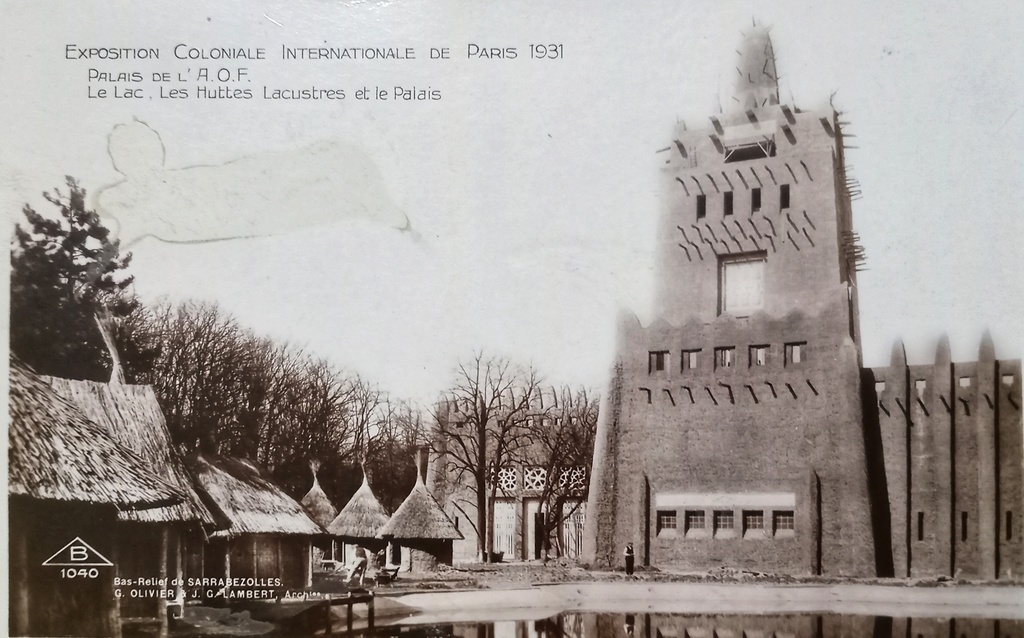
Among the most striking of these reconstructions were the palaces inspired by the Kingdom of Dahomey — one of West Africa’s great historical states (c) Collection Remo Kurka
Among the most striking of these reconstructions were the palaces inspired by the Kingdom of Dahomey — one of West Africa’s great historical states, centered in present-day Benin. Unlike purely fantasy “native villages” often associated with colonial fairs, several African pavilions at the 1931 exhibition were grounded in careful architectural study and documentation. In some cases, they preserve visual evidence of traditions and structures that were later damaged, transformed, or lost.
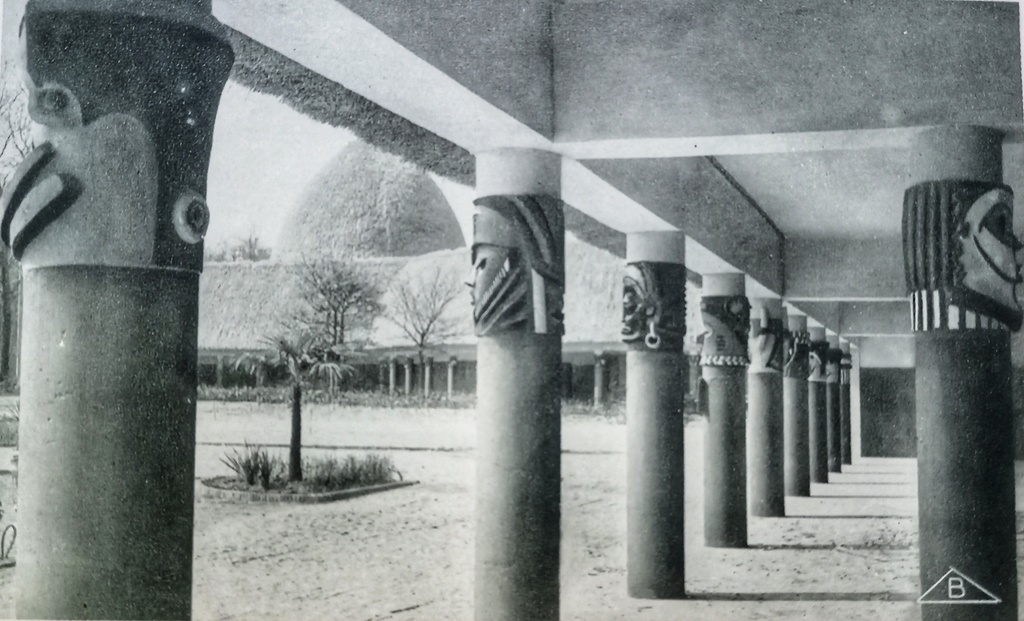
A reconstruction of the palace inspired by the Kingdom of Dahomey — one of West Africa’s great historical states, centered in present-day Benin (c) Remo Kurka
The royal palaces of Abomey (in present‑day Benin) are among the most important examples of West African palace architecture. Built between the 17th and 19th centuries, they combined fortified walls, courtyards, shrines, and richly decorated façades with symbolic reliefs and motifs.
For the 1931 Paris Colonial Exhibition, parts of these palaces were reconstructed in a reduced, theatrical form – not as exact copies, but as colonial interpretations of African royal architecture. These photographs preserve a rare visual record of how African power, space, and tradition were translated into a temporary exhibition setting in Europe.
The French organizers invested enormous resources into recreating monumental architecture from across the empire. Archaeologists, architects, artists, engineers, and craftsmen collaborated to produce large-scale reconstructions based on measurements, photographs, plaster casts, and field studies. The famous Angkor Wat reconstruction, for example, was built using archaeological references and detailed architectural surveys.
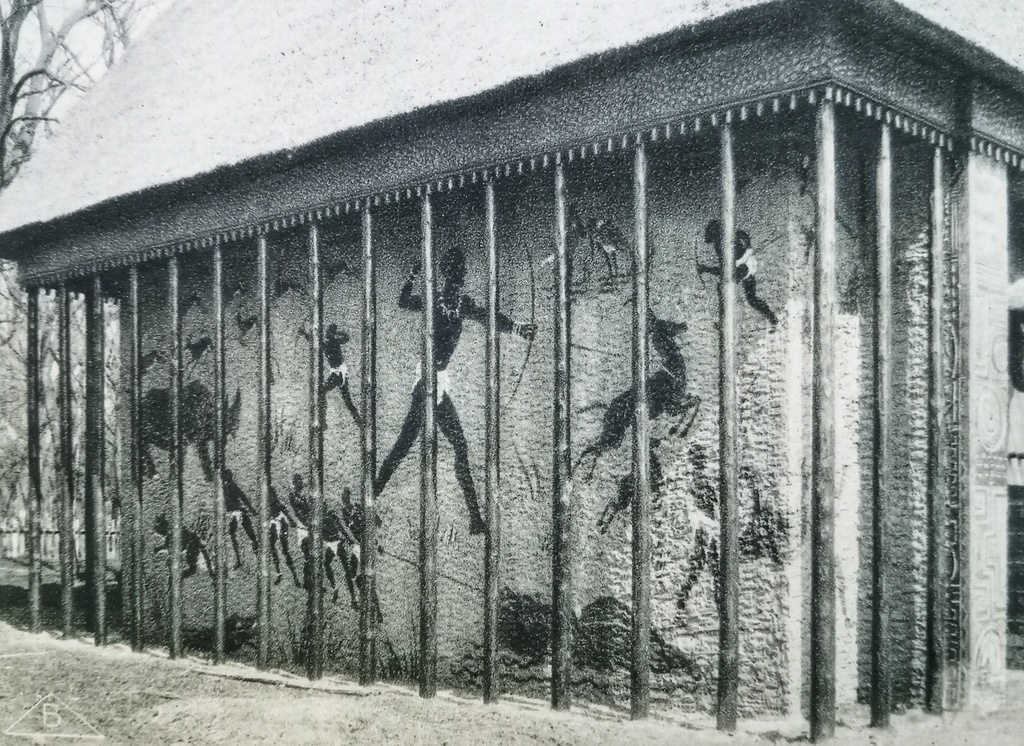
Here a re-build of a palace in Togo, near Ghana (c) Remo Kurka
For visitors in 1931, these buildings were astonishing. Massive earthen walls, ceremonial courtyards, carved pillars, towers, gateways, and royal symbolism challenged European assumptions about African history. The exhibition unintentionally demonstrated something profoundly important: Africa possessed monumental architectural traditions long before colonial rule.
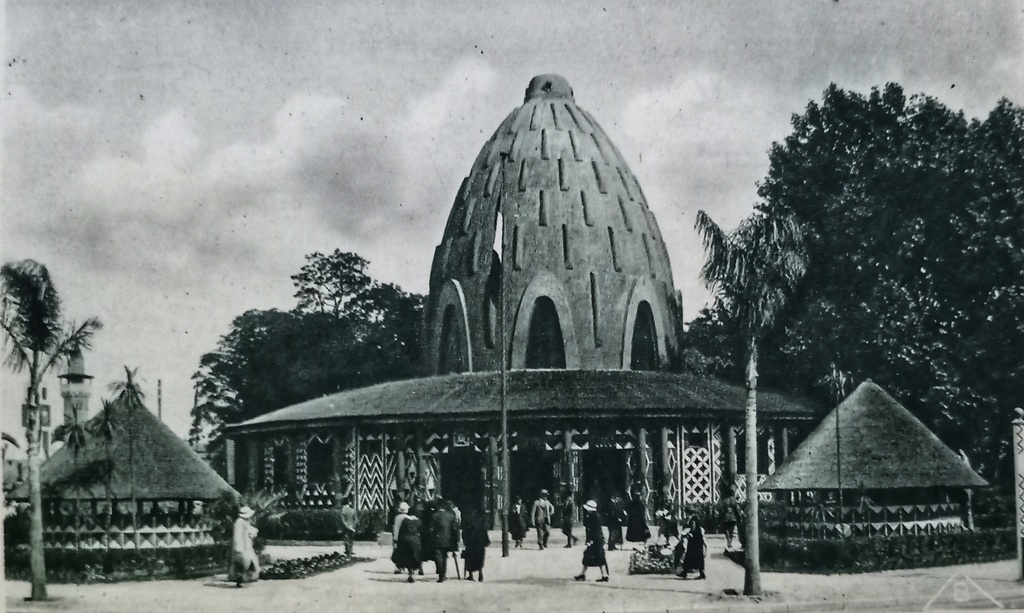
France wanted to present its empire as glorious, modern, and benevolent. Around 7–8 million visitors attended. (c) Remo Kurka
Centered in the royal city of Abomey, the Dahomey kingdom developed a sophisticated court culture between the seventeenth and nineteenth centuries. Its palaces combined ceremonial planning, sacred symbolism, military authority, and artistic achievement. Walls were decorated with sculptural bas-reliefs depicting kings, dynasties, warfare, animals, and spiritual emblems. Entire compounds functioned as living historical archives. Today, the Royal Palaces of Abomey remain among the most important historic sites in West Africa.
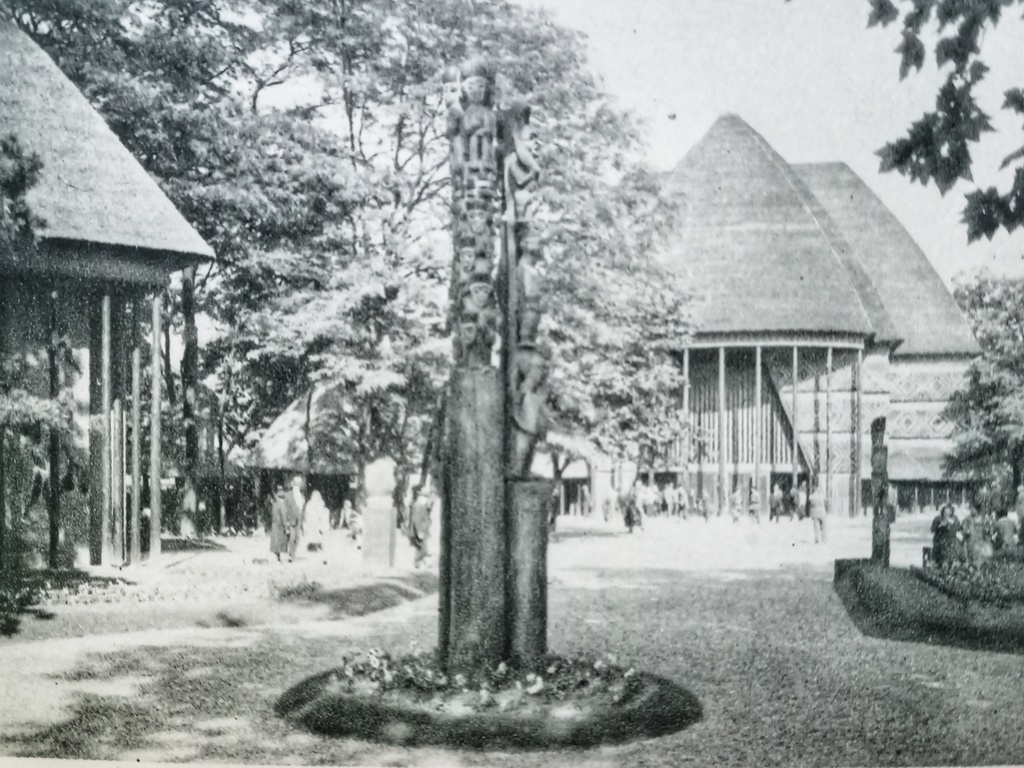
The Paris reconstructions offered European audiences a rare glimpse into this architectural world. Although temporary, these structures helped preserve visual memory of traditions that later suffered from war, environmental damage, modernization, and neglect.
Many of the buildings of the 1931 exhibition disappeared soon afterward. Most were dismantled in 1932, having been designed as temporary structures of wood, plaster, and painted surfaces. Yet photographs survive — haunting images of African palaces rising beside Parisian lakes under electric lights and Art Deco towers.
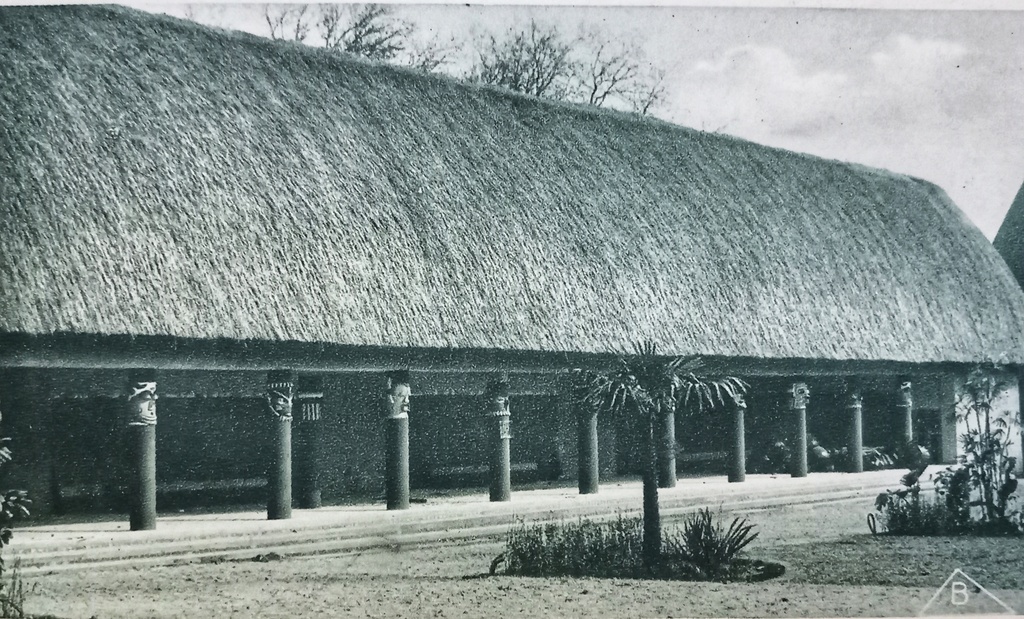
The palaces of the Kingdom of Dahomey were especially powerful examples of this heritage. (c) Remo Kurka
They are no longer simply records of a colonial exhibition. They are also documents of African architectural heritage. For historians, architects, artists, and museums, they provide valuable evidence of royal compounds and artistic traditions that deserve renewed recognition.
Modern audiences increasingly understand that precolonial African architecture was not marginal or primitive. From the palaces of Dahomey to the mud-brick cities of the Sahel, from Great Zimbabwe to the stone cities of the Swahili Coast, Africa produced architectural traditions of immense sophistication, beauty, and symbolism.
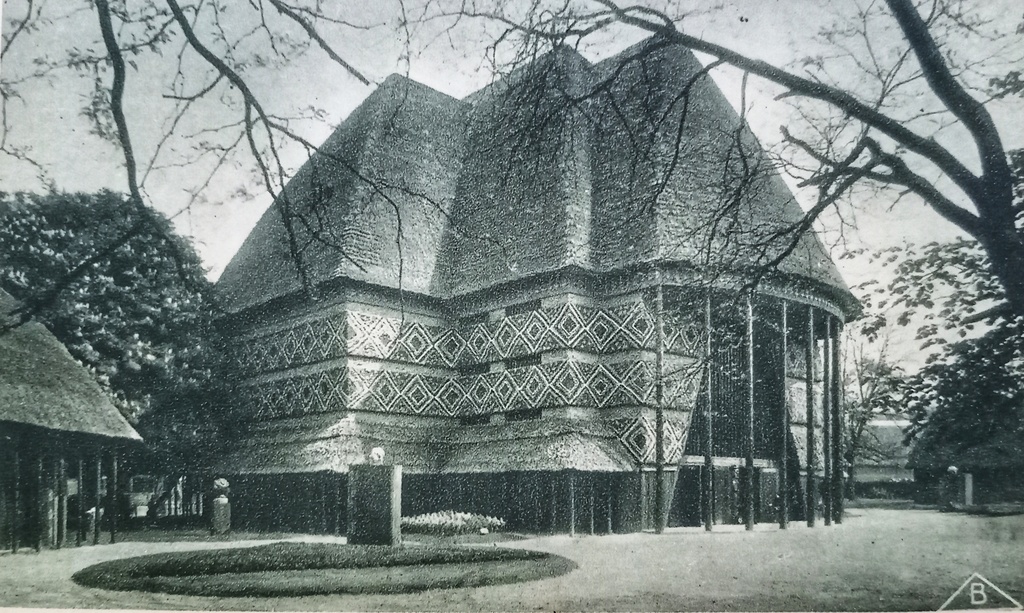
These buildings show the beauty of Africa, even as the French regarded it as "Primitive". Palace reconstruction of Cameroon/Congo (c) Remo Kurka
They show that African kingdoms were builders of cities, palaces, ceremonial spaces, and monumental art. They reveal a continent whose architectural history was rich, inventive, and deeply connected to political and spiritual life.
For museums and cultural institutions today, these images offer an opportunity not merely to revisit the past, but to recover memory — and to celebrate the enduring creativity of African civilizations.
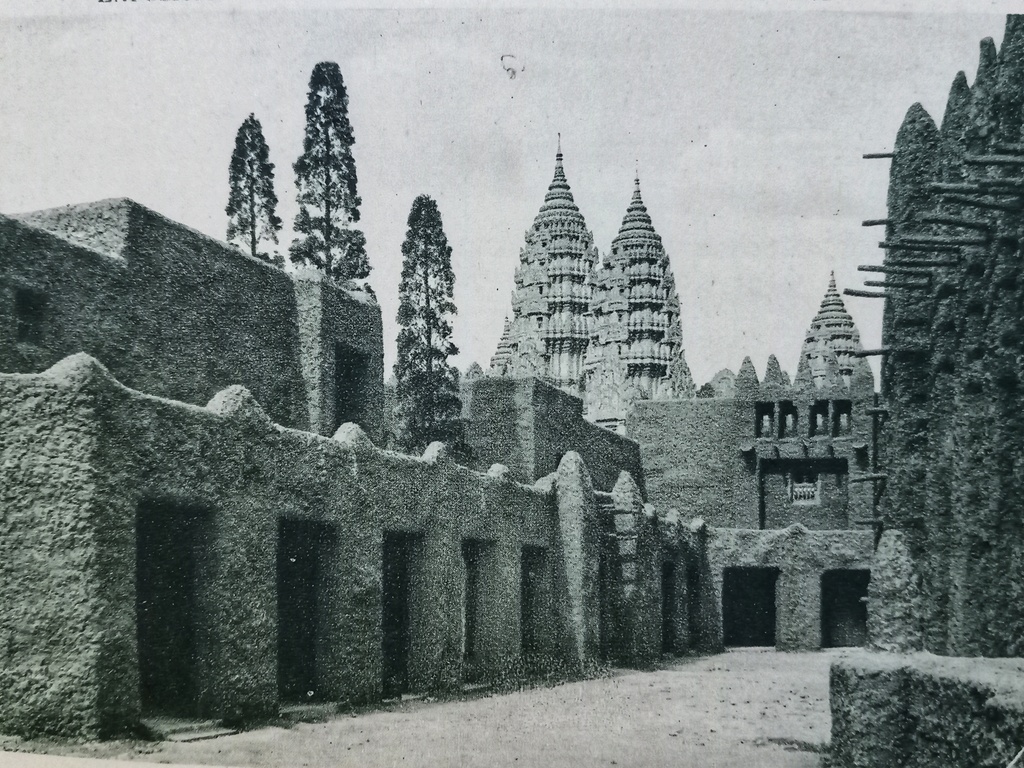
Many buildings were enormous but temporary — made from wood, plaster, staff, and painted surfaces designed to imitate stone. The famous Angkor Wat (background) reconstruction was among the largest examples. (c) Remo Kurka
The exhibition included what today are understood as “human zoos” or staged ethnographic displays. People from colonized territories were brought to Paris and expected to perform “authenticity” for visitors. Some were even forbidden from wearing European clothing.
No. The structures built for the 1931 Colonial Exhibition were simplified and adapted versions of African palaces and compounds. They were designed to fit the exhibition grounds and to support a colonial narrative, rather than to document every architectural detail accurately.
Very few visual records exist of how African architecture was reconstructed and staged at the Paris Colonial Exhibition. These images help researchers understand how African cultures were represented, edited, and sometimes distorted in a European colonial context.
Some royal palace complexes, such as the palaces of Abomey, still exist and are recognised as World Heritage Sites. Others have been damaged, transformed, or lost over time. This makes both the surviving sites in Africa and the historical photographs from 1931 valuable sources for studying African architectural heritage.