Collection of Exhibits at National Museum, Ghana

Welcome to the National Museum of Ghana - Audio Message

Quick Facts – National Museum of Ghana

  • Opened: 5 March 1956

  • Reopened: June 2022

  • Location: Barnes Road, Accra

  • Collections: Archaeology, Ethnography, Art

  • Managed by: Ghana Museums & Monuments Board

  • Highlights: Gold weights, Akan artifacts, ancient terracotta, royal regalia

The National Museum of Ghana, officially opened on March 5, 1956, is the oldest and largest museum in the country. Located in the heart of Accra, it showcases Ghana’s archaeological, ethnographic, and artistic heritage. After its major renovation and reopening in June 2022, the museum now offers visitors a modern and accessible experience, both onsite and online.

Nevertheless, the nearby Museum of Science and Technology warmly invites you to visit, despite undergoing ongoing renovations. (→ Website Soon)

From ancient artifacts and royal regalia to contemporary art and historic photographs, the museum serves as a vibrant center for education, preservation, and cultural dialogue.

National Museum: → Entrance Fees 2026

The Lost Palaces of Africa in Paris: → The 1931 Colonial Exhibition and the Memory of Dahomey

Partner → Websites of the National Museum of Ghana

National Museum Ghana → FAQ

Why not explore more of Ghana? Search below for castles, forts, cities, and national parks!

Explore Ghana in German

Explore our German language portal at https://ghana-net.net, where you can discover the most comprehensive and up-to-date information about Ghana and West Africa.


Whether you're seeking travel tips, cultural insights, or the latest news, our site serves as your go-to resource for everything related to this vibrant region. Don’t miss out on the opportunity to deepen your understanding of Ghana and West Africa!

African Masks

Ritual and ceremonial masks are a vital and deeply symbolic element of the traditional culture and artistic expression of the peoples of Sub-Saharan and West Africa. These masks are far more than decorative objects—they are powerful cultural artifacts used in religious rites, festivals, initiation ceremonies, funerals, and social gatherings. Each mask carries specific meanings and represents ancestral spirits, deities, animals, or mythological beings, often believed to channel spiritual energy or communicate with the unseen world.

Created with masterful craftsmanship from wood, bronze, ivory, and other natural materials, these masks reflect the aesthetic values and spiritual beliefs of diverse ethnic groups across the region, such as the Yoruba, Dogon, Baule, Dan, and Fang peoples. The use of masks is often accompanied by dance, music, and elaborate costumes, creating immersive performances that transmit oral histories, enforce social norms, and reinforce communal identity. Through their symbolism, beauty, and function, ritual masks continue to play a significant role in preserving cultural heritage and shaping the collective memory of African societies.
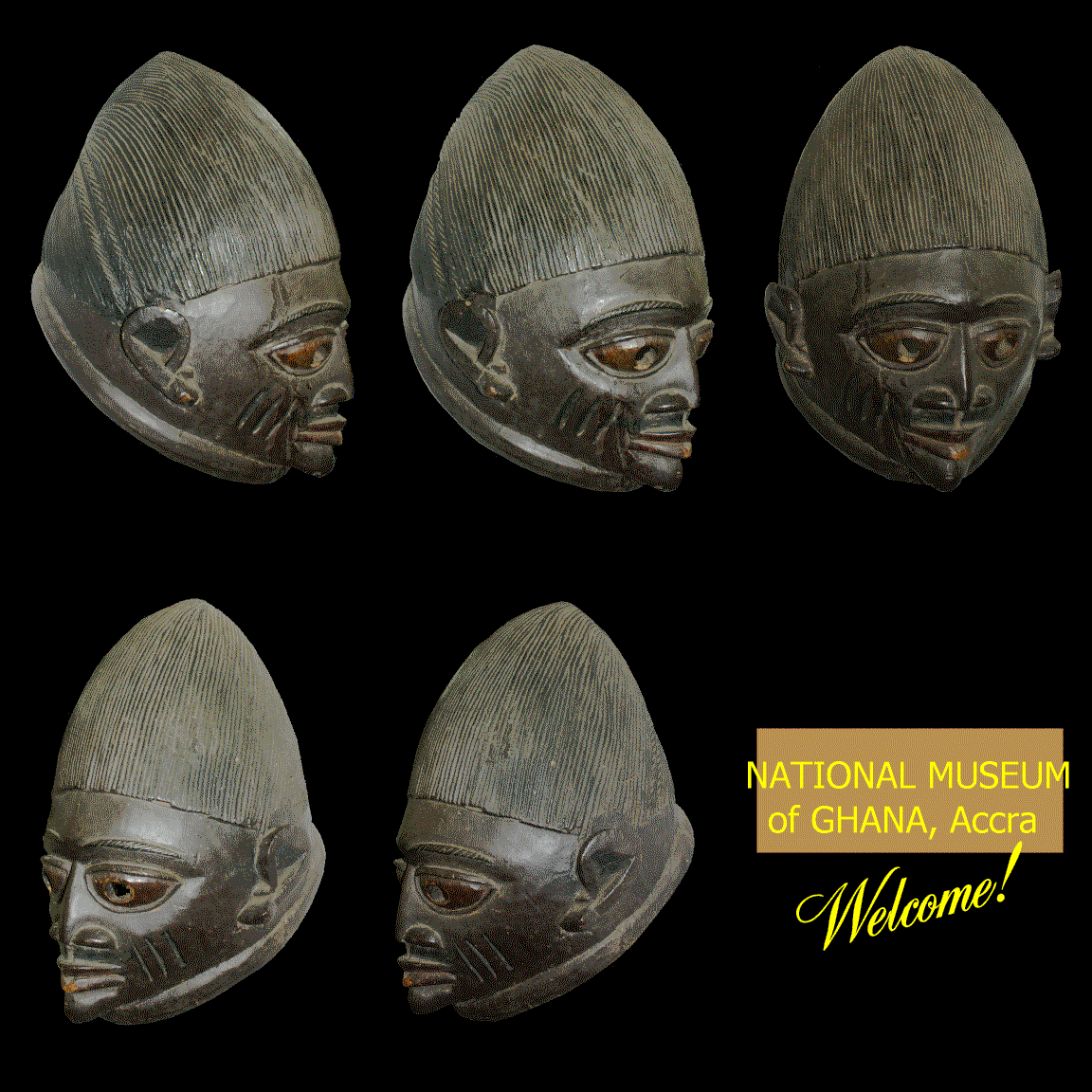
Ibo mask from Nigeria– National Museum of Ghana

Collections and Exhibitions at the National Museum of Ghana

Open to the public daily from 9:00 AM to 4:30 PM.

🇬🇭 Ghana3d.com Gateway Experience 360

Find your roots and rise — Ghana3d.com Gateway Experience 360. Your ultimate guide to cultural, historic, and soul-stirring adventures. Whether you're returning to your ancestral land or exploring Ghana for the first time, we offer curated journeys that connect you deeply to the spirit of West Africa. From powerful walks through Cape Coast & Elmina slave castles to the vibrant rhythms of Accra’s nightlife. From sacred village ceremonies to awe-inspiring natural beauty — your journey starts here!

Logo of national Museum of Ghana

Lorem ipsum dolor sit

Africa has a long and complex history shaped by powerful kingdoms and diverse ethnic groups, often referred to as tribes. Long before colonial rule, the continent was home to thriving civilizations with advanced systems of governance, trade, culture, and technology.

In West Africa, empires like Ghana, Mali, and Songhai controlled vast territories and trade routes across the Sahara, dealing in gold, salt, and other goods. The Ashanti and Benin kingdoms were known for their military strength, artistry, and political organization.

In East Africa, the Aksum Empire (in present-day Ethiopia) was an early Christian kingdom and major trading hub. Coastal city-states like Kilwa and Mogadishu flourished through Indian Ocean trade, blending African, Arab, and Asian cultures.

In Central and Southern Africa, powerful kingdoms such as Kongo, Great Zimbabwe, and the Zulu Kingdom built impressive cities, trade networks, and social systems. Each ethnic group or tribe developed unique languages, customs, and belief systems that still shape African identity today.

This rich history reflects a continent of innovation, resilience, and cultural diversity long before European contact.

Logo Design of national Museum of Ghana

African drums are among the most iconic and important instruments in traditional African cultures. More than just musical tools, they have historically served as powerful means of communication, expression, and unity.

Drums were used in rituals, ceremonies, festivals, and storytelling, helping to pass down history, values, and oral traditions across generations. In many societies, they played a central role in religious practices, initiation rites, funerals, and royal events.

Different types of drums—such as the djembe, talking drum (tama), and dundun—were crafted with deep symbolic meaning and played specific roles in the community. Some drums could even “talk” using rhythmic tones to send messages across villages.

Historically, African drums were—and remain—a powerful symbol of identity, community, and spiritual connection across the continent.

Logo Design by Remo Kurka, of national Museum of Ghana

In many African cultures, chairs or stools of state were powerful symbols of royalty, authority, and spiritual leadership. Reserved for kings, chiefs, and high-ranking elders, these seats were more than functional—they embodied the soul of the state and the legitimacy of the ruler.

Often carved from wood and richly decorated, state chairs and stools—like the famous Ashanti Golden Stool—represented the unity of the people, ancestral power, and divine right to rule. They were used in ceremonies, councils, and royal audiences, and in some cultures, no one else was allowed to sit on or even touch the ruler's chair.

Historically, these chairs served not just as thrones, but as sacred objects that linked the present ruler to the ancestors and the continuity of leadership.

All below photos (c) Strictly by Remo Kurka photography
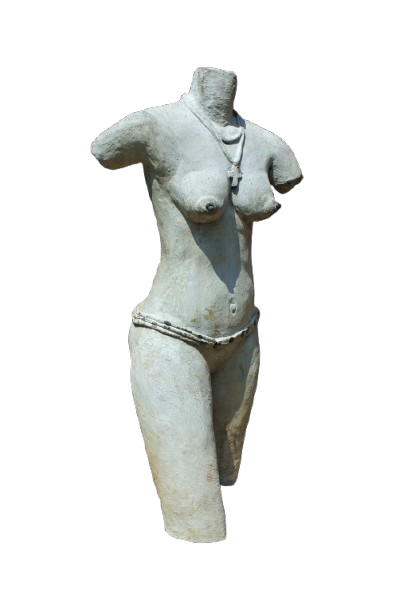
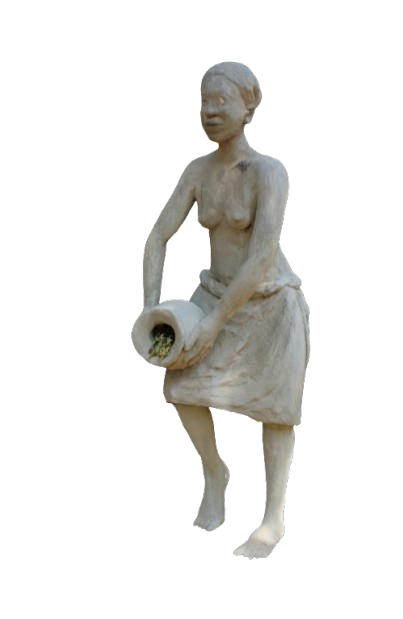
Sculpture of an African Woman, national Museum Ghana

Traditional Sculpture of an Ghanaian woman, National Museum of Ghana
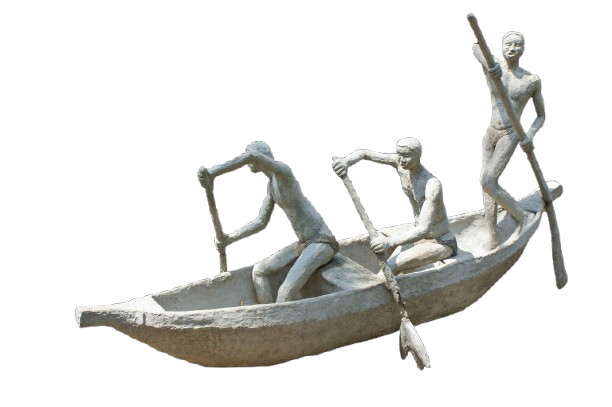
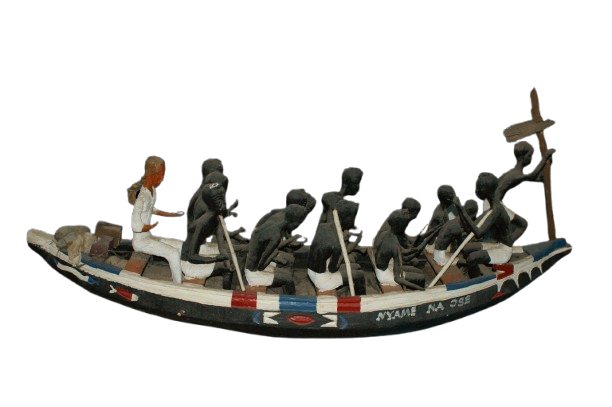
Sculpture of Fishermen in a canoe, National Museum of Ghana

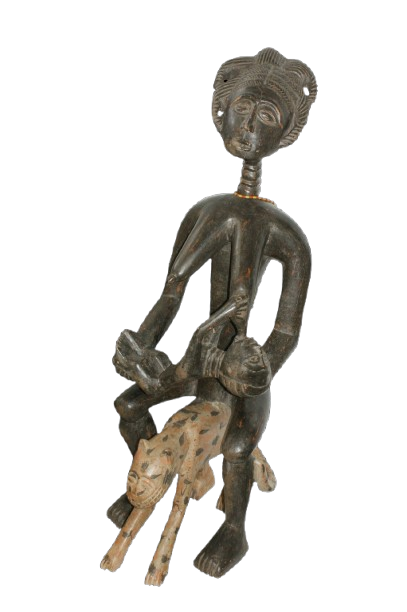
Traditional Woodwork Africa at national Museum, Ghana

Model of a Slave Boat, Gold Coast, Ghana National Museum
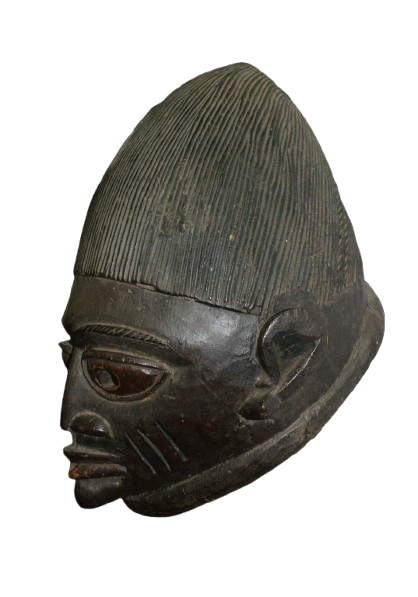
Nigerian Mask at Mational Museum of Ghana

Galleries & Permanent Exhibits

The museum’s extensive collections are thoughtfully organized into three primary areas: archaeology, ethnography, and art. This structure allows visitors to embark on a fascinating journey through various cultural and historical dimensions. Within these areas, guests can explore an impressive array of exhibits that showcase the rich heritage of Ghana. Highlights include traditional Ghanaian musical instruments that evoke the sounds of the country’s vibrant music scene, intricately crafted gold weights that reflect the sophistication of ancient trade systems, and beautifully designed beads and textiles that tell stories of craftsmanship and cultural identity. Furthermore, visitors will find an assortment of striking stools and pottery that exemplify the unique artistic traditions of the region. In addition to the local treasures, the museum proudly features objects from other African nations, such as the beautifully carved Senufo masks from Ivory Coast, the distinctive wooden figures from the Zulu people of Southern Africa, and the remarkable ancient Ife bronze heads from Nigeria. Each of these artifacts contributes to a deeper understanding of the diverse artistic expressions and cultural practices that span the African continent.

Ghana’s Past – Archaeology

This section provides a comprehensive overview of Ghana’s fascinating journey through time, tracing its evolution from prehistoric eras all the way to the modern age. It highlights significant developments, including the creation and use of stone-age tools, the emergence of iron-age artifacts, and notable regional archaeological discoveries. These findings not only reflect the technological advancements of different periods but also offer valuable insights into the rich cultural heritage and historical significance of the region.

Arts & Culture

A smaller, yet rich gallery showcasing:

  • Contemporary Ghanaian paintings (oil, pastel, acrylic, watercolor, collage)

  • Sculptural works in wood, metal, and mixed media
    Exchange pieces from other African countries—like Senfu masks (Ivory Coast), Zulu figures (South Africa), Ife bronze heads (Nigeria), Bushongo carvings (Congo)—emphasize continental ties

.

Traditions & Ethnography

Displays include:

  • Asante stools, believed to house the souls of chiefs;

  • Chiefs’ regalia, gold-weights, beads, textiles;

  • Musical instruments, pottery, and tools related to agriculture and iron‑making;

  • A section on Ghana’s transatlantic slave trade, featuring shackles and historical narratives

.

Sculpture Garden & Historical Icons

The outdoor sculpture garden is a vibrant space that showcases an impressive collection of life-size statues, prominently featuring Kwame Nkrumah, who served as Ghana’s first president. This striking figure is a tribute to his significant contributions to the nation. Inside the facility, visitors can enjoy a range of notable displays, including a captivating selection of vehicles previously owned by former heads of state. This collection features a variety of luxury cars such as Mercedes-Benz, Nissan, and Toyota, each with its own unique history and significance, enriching the overall experience for guests exploring the site.

Further Information

The museum, which can be found at 2 Barnes Road in the vibrant neighborhood of Adabraka, Accra, has a rich history that dates back to its establishment on 5 March 1957. This significant event occurred just a short while before Ghana achieved its independence, marking an important moment in the nation's cultural development. The museum was officially inaugurated by Princess Marina, Duchess of Kent, who played a vital role in acknowledging the importance of this institution. The first director of the museum was A.W. Lawrence, whose leadership helped lay the groundwork for what has since become a cornerstone of Ghanaian heritage and a must-visit destination for those looking to explore the country's rich history and culture.
The original collection of artifacts and specimens began its journey at the esteemed Achimota College's anthropology museum. In a significant development, this collection was relocated to the University of Ghana in 1940, where it continued to grow and evolve. This rich assortment of cultural and historical items played a crucial role in establishing the foundation of the National Museum when it officially opened its doors to the public. The transition from Achimota College to the University of Ghana marked an important chapter in preserving and showcasing the heritage of the region.
The building, a stunning architectural masterpiece, was envisioned and brought to life by the renowned British architects Denys Lasdun and Lindsay Drake. Their innovative design seamlessly combines elements of tropical modernism with a thoughtful approach to cross-ventilated architecture. This unique fusion not only enhances the aesthetic appeal of the structure but also serves a practical purpose in adapting to the natural climate of the region. Through this carefully crafted design, the building stands as a powerful symbol of Ghana’s evolving identity in the field of architecture, showcasing a harmonious blend of modernity and environmental consideration.
We are pleased to welcome visitors every day of the week, with our doors open from 9:00 AM until 4:30 PM. For local adults, the admission fee is approximately GHS 20 as of 2025. Non-Ghanaian adult tickets are priced at around GHS 80. Additionally, we offer discounted rates for students, making it more accessible for all to experience what we have to offer. Come and join us for a memorable day!

🇬🇭 Ghana3d.com Gateway Experience 360

Find your roots and rise — Ghana3d.com Gateway Experience 360. Your ultimate guide to cultural, historic, and soul-stirring adventures. Whether you're returning to your ancestral land or exploring Ghana for the first time, we offer curated journeys that connect you deeply to the spirit of West Africa. From powerful walks through Cape Coast & Elmina slave castles to the vibrant rhythms of Accra’s nightlife. From sacred village ceremonies to awe-inspiring natural beauty — your journey starts here!

This website has been designed and maintained with sole-funding from ghana-net.com / Remo Kurka, (See below menu) since 2007
"Promoting a Positive Ghana and Africa" - (c) 2007 - 2026

Contact Us

All Pages On → This Website